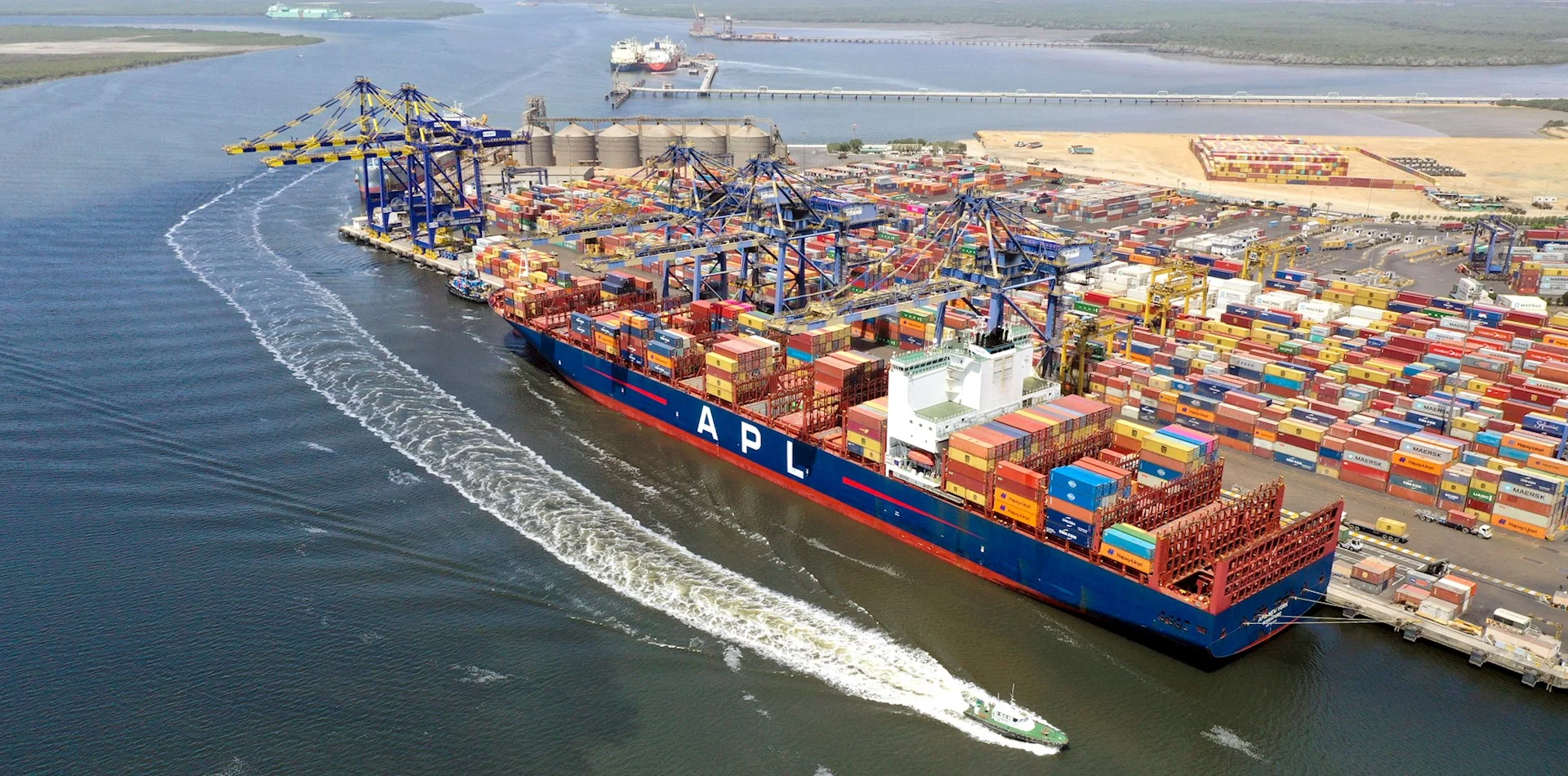
Port Qasim, also known as Qasim International Container Terminal (QICT), is Pakistan’s second busiest seaport after Karachi Port. Located approximately 35 kilometers east of Karachi, it was developed to ease congestion at Karachi Port and to meet the growing needs of the country's expanding economy.
Strategically situated on the Arabian Sea, Port Qasim handles around 35%–40% of Pakistan's cargo volume, making it a vital asset for national trade and industrial growth.
Historical Background
Port Qasim was established in 1973 under the Port Qasim Authority Act. Its creation was primarily to facilitate the import of raw materials for the Pakistan Steel Mills, which is located nearby. Over time, the port expanded its role to become a multipurpose terminal catering to a wide range of industries.
Management
The port is managed and operated by the Port Qasim Authority (PQA), a government body under the Ministry of Maritime Affairs. PQA is responsible for the development, regulation, and operation of the port’s infrastructure and services.
Infrastructure and Facilities
Port Qasim is a deep-draft, all-weather port equipped to handle a diverse range of cargo. Its key features include:
Multipurpose terminals for containers, general cargo, and bulk commodities
Dedicated terminals for coal, cement, palm oil, LNG, and chemicals
Qasim International Container Terminal (QICT) – a state-of-the-art container handling facility
Liquid Cargo Terminal (LCT) and FOTCO Oil Terminal
Customs, warehousing, and logistics services
Access to major highways and rail links to facilitate inland transportation
Economic and Strategic Importance
Port Qasim plays a major role in supporting Pakistan’s industrial and commercial sectors. Key highlights include:
Serving industrial zones such as Bin Qasim Industrial Zone and Export Processing Zone
Handling cargo for major industries like automobile, steel, cement, textiles, and energy
Reducing pressure on Karachi Port, thus improving overall national port efficiency
Generating substantial foreign exchange and employment
Environmental and Social Responsibility
Port Qasim is located near sensitive mangrove ecosystems and coastal communities. The Port Qasim Authority has taken steps to implement environmental protection policies, including:
Marine pollution control
Mangrove plantation and conservation
Monitoring of industrial waste disposal
Environmental impact assessments for new projects