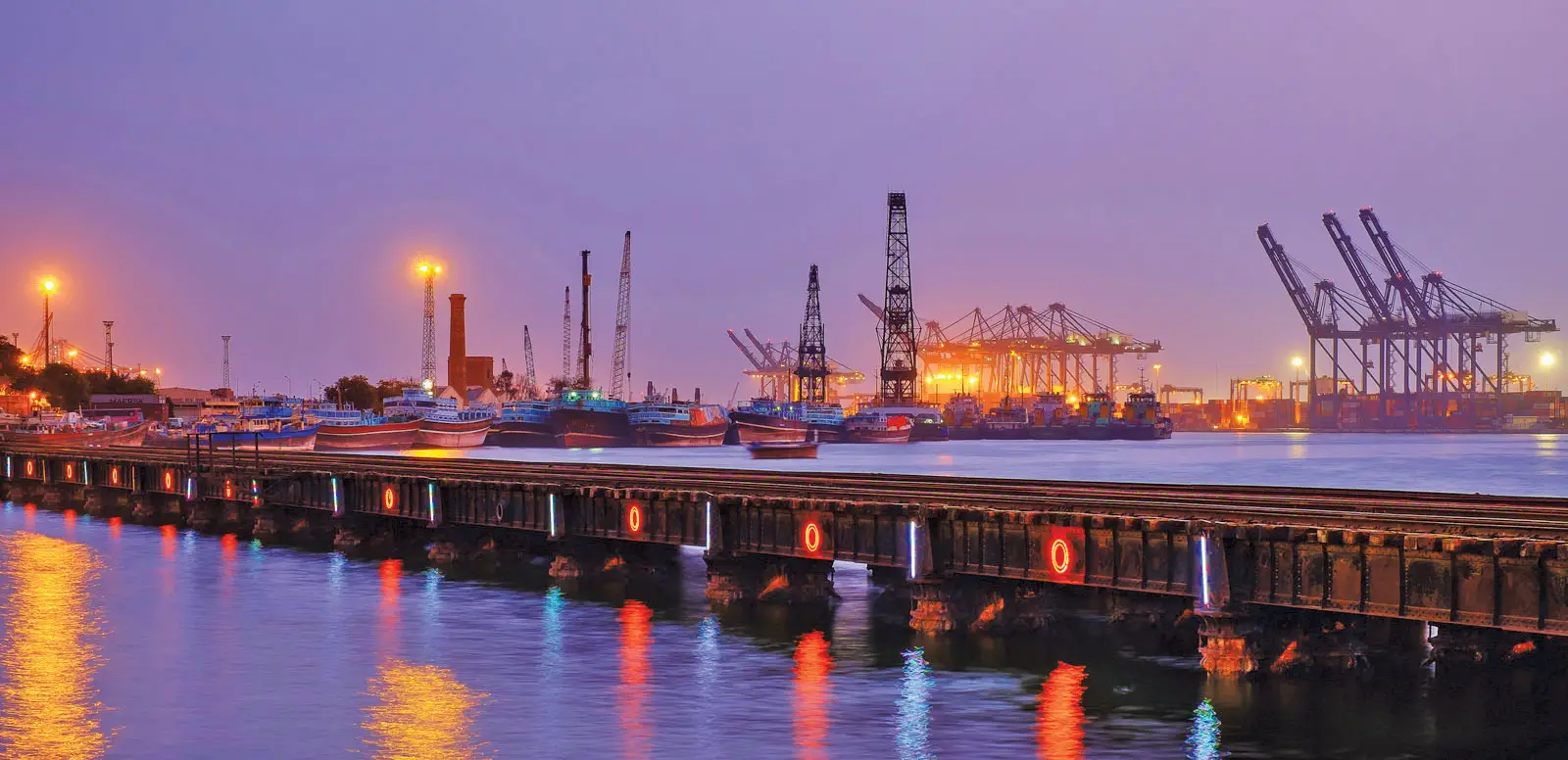
Karachi Port, located in the heart of Karachi—the largest city of Pakistan—is the country’s busiest and most significant seaport. Strategically positioned on the Arabian Sea, this port handles about 60% of Pakistan’s cargo, playing a pivotal role in the country’s trade and economic activities.
Historical Background
Karachi Port has a rich history dating back to ancient times when it served as a small fishing village and trading post. It began to develop rapidly during the British colonial era in the 19th century. After the creation of Pakistan in 1947, the port became the nation's primary gateway for imports and exports.
Management and Operations
The port is managed by the Karachi Port Trust (KPT), a government body that oversees its maintenance, development, and operations. KPT ensures the port remains functional, secure, and efficient to meet growing demands of international trade.
Facilities and Infrastructure
Karachi Port is a deep-water seaport that includes:
Two main wharves: East Wharf and West Wharf
Over 30 berths, including container terminals and oil piers
Modern container handling facilities
Dry bulk and liquid cargo terminals
Warehousing and storage infrastructure
Marine and navigational services
It is well-connected to national highways and rail networks, making it integral to supply chains across Pakistan.
Economic Significance
Karachi Port is central to Pakistan’s economy for several reasons:
Handles millions of tons of cargo annually
Supports industries, agriculture, and commerce
Generates significant revenue and employment
Serves as a hub for transit trade with Central Asia and Afghanistan
Challenges
Despite its importance, Karachi Port faces several challenges, such as:
Congestion and delays
Environmental concerns like water pollution
Need for technological upgrades
Urban encroachment and traffic bottlenecks
Efforts are ongoing to modernize the port and improve its efficiency through public-private partnerships and infrastructure investment.
Future Prospects
The government is actively working to upgrade the port’s capacity and services. In tandem with Gwadar Port and Port Qasim, Karachi Port is part of Pakistan’s broader vision to become a major regional trade and logistics hub under initiatives like China-Pakistan Economic Corridor (CPEC).